The Mess is the Intelligence
What Ants can Teach us about Business Processes

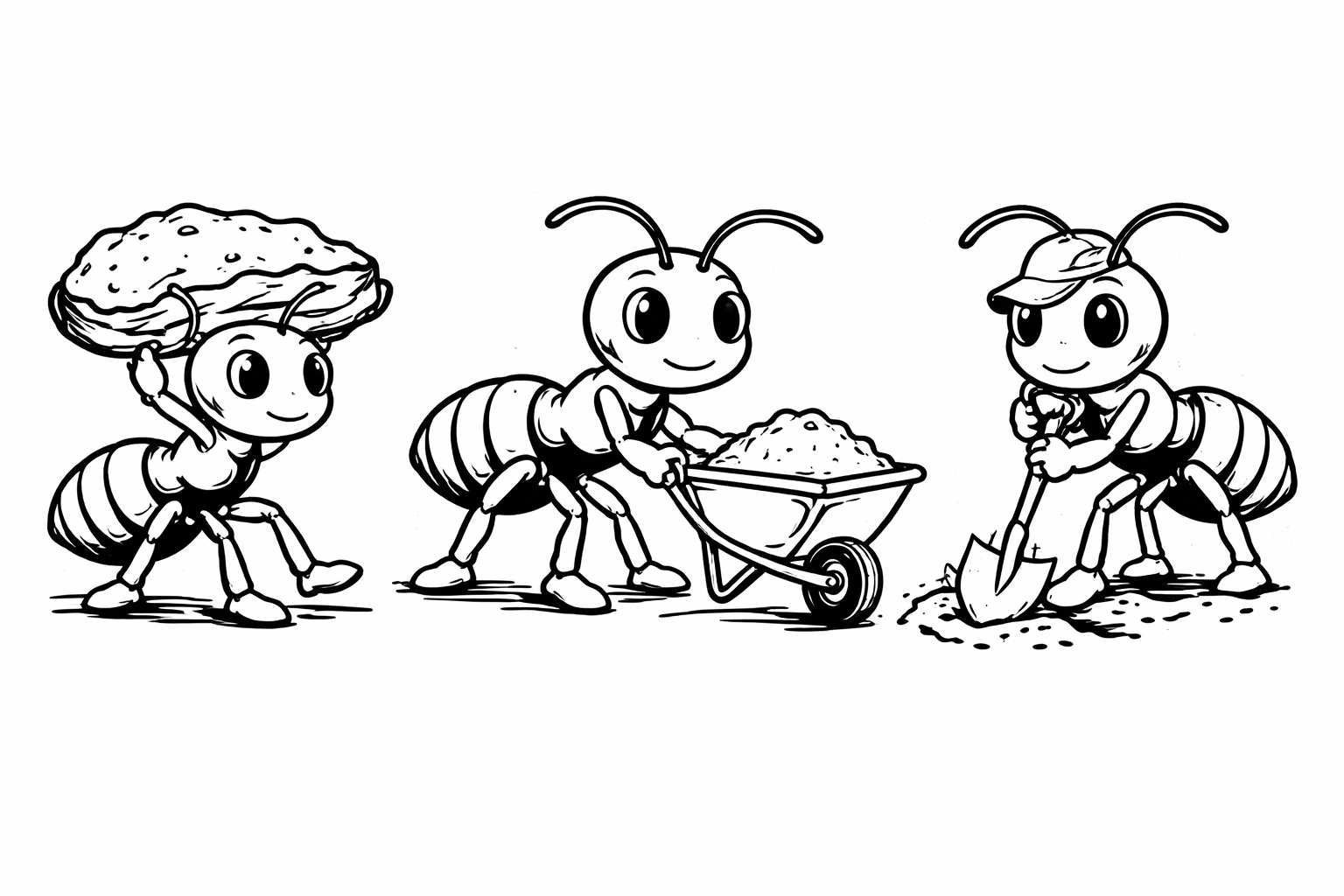
There’s a simple creature that has been solving problems longer than humans have existed. It can’t plan. It can’t strategize. It follows a handful of simple rules. Watch one for an hour and you’ll see nothing that looks like intelligence.
Now zoom out.
Its colony solves foraging routes with mathematical precision. It allocates labor dynamically. Farms fungi. Wages coordinated war. If you’re wondering… I’m talking about ants.
No CEO required. No ops person running the show.
Enterprise Systems Feel the Same Way
A rep needed a workaround, so someone built one. Legal added a field. A manager created a flow. Then another. And another. And another.
I’ve seen organizations with thousands of Apex triggers, validation rules, and flows in Salesforce. Hundreds of fields and custom objects supporting what is supposed to be a “simple” sales model.
Nobody planned it. Nobody architected it. It just emerged from countless small, decentralized decisions. From the outside, it looks like a mess. So everyone agrees that it has to be cleaned. Simplified.
You see this everywhere, but especially in M&A. The acquirer imposes their systems and processes onto the acquired. I saw it when Oracle bought Responsys, Eloqua and Bluekai. I saw it again when DocuSign bought SpringCM and Seal Software. The nuances that evolved over years get flattened. Good people leave because their context, the thing that made them effective, no longer exists.
The instinct to simplify isn’t wrong. But it’s often blind.
Complexity can be good. At DocuSign I remember Marina and Lizzie built our lead scoring and routing. The logic was layered and conditional, branching in ways I could never fully explain. The algorithm was always in motion. It handled hundreds of countries, roles, segments and verticals.
I remember feeling the itch to simplify. Fortunately I was ignored.
Because… The mess was the intelligence.
And no; I’m not defending the mess out of cultural habit or some romantic attachment to chaos. I’m defending it because I have watched what happens when smart, well meaning people try to impose order on systems they only partially understand.
Picture a single ant convinced it sees the whole picture. A RevOps ant at the colony gate making the calls. “That trail to the oak tree barely gets used. Kill it. Two paths to the same food source make no sense. Combine Them. That route wastes time. Fix it”
The ant colony works because bad trails disappear on their own. Pheromones fade. Feedback is constant. So the system corrects itself.
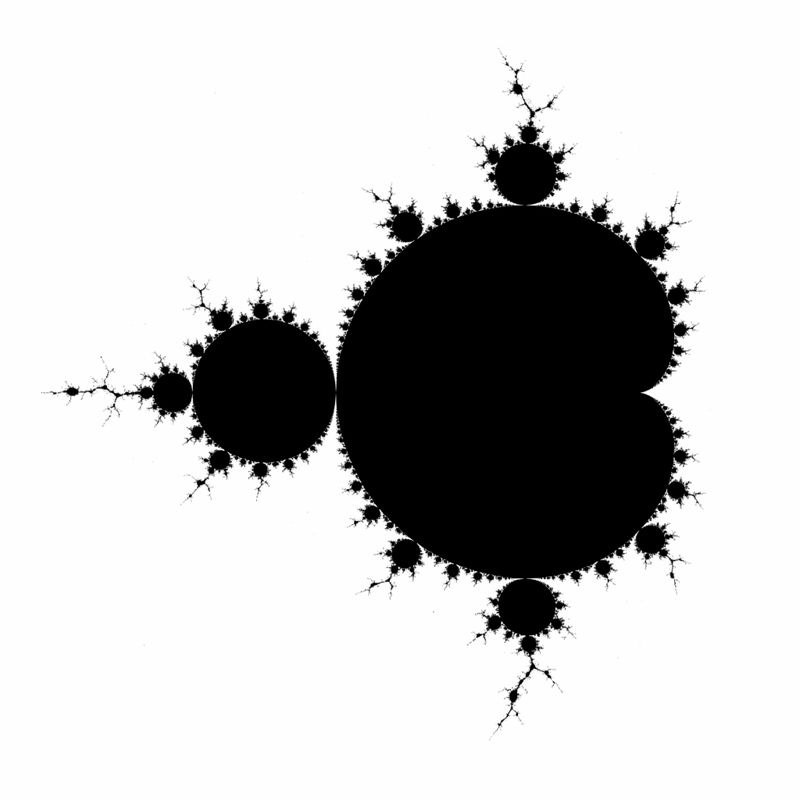
Enterprise systems don’t have this luxury. Bad traits persist. Old rules keep firing. Nothing evaporates so intelligence and debris accumulate side by side. That’s why Ops teams exist. To prune what the system can’t
The problem is not simplification. The problem is that we lack the tools to see which trails carry value and which ones lead nowhere. With limited visibility we do what any reasonable person would do… We cut what we can’t understand.
The failure isn’t intent. It’s blindness.
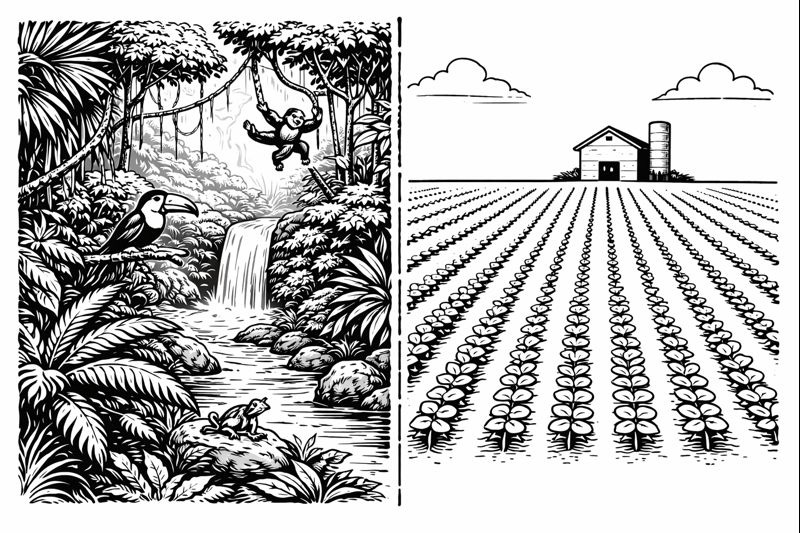
Sometimes the mess really is scar tissue. Conflicting flows. Fields that serve no one. Weeds. But not every tangle is a weed. Some tangles are rainforests.
A rainforest survives because of its complexity. Its redundancy, diversity and adaptation. A monoculture dies because it is simple and optimized around one crop. Business processes are the same way. Zoom out and the board sees a funnel. Zoom in and the manager sees routing logic. Go further and the rep sees the undocumented exception that actually makes the system work.
Without visibility, weeds and rainforests look the same.
And for full transparency… I’ve been working on a startup for the last few months. Still in stealth, so I’ll write more down the road. Yet this experience has forced me to revisit a lot of what I thought I knew. The gospel of simplification was one of those things.
How many companies are running below their potential because of this instinct? How many Marinas and Lizzies built something that worked, only to see it rationalized away by someone who never zoomed in?
Your organization has been learning for years. It knows things you don’t. The question is whether you will see that knowledge before you optimize it away.